
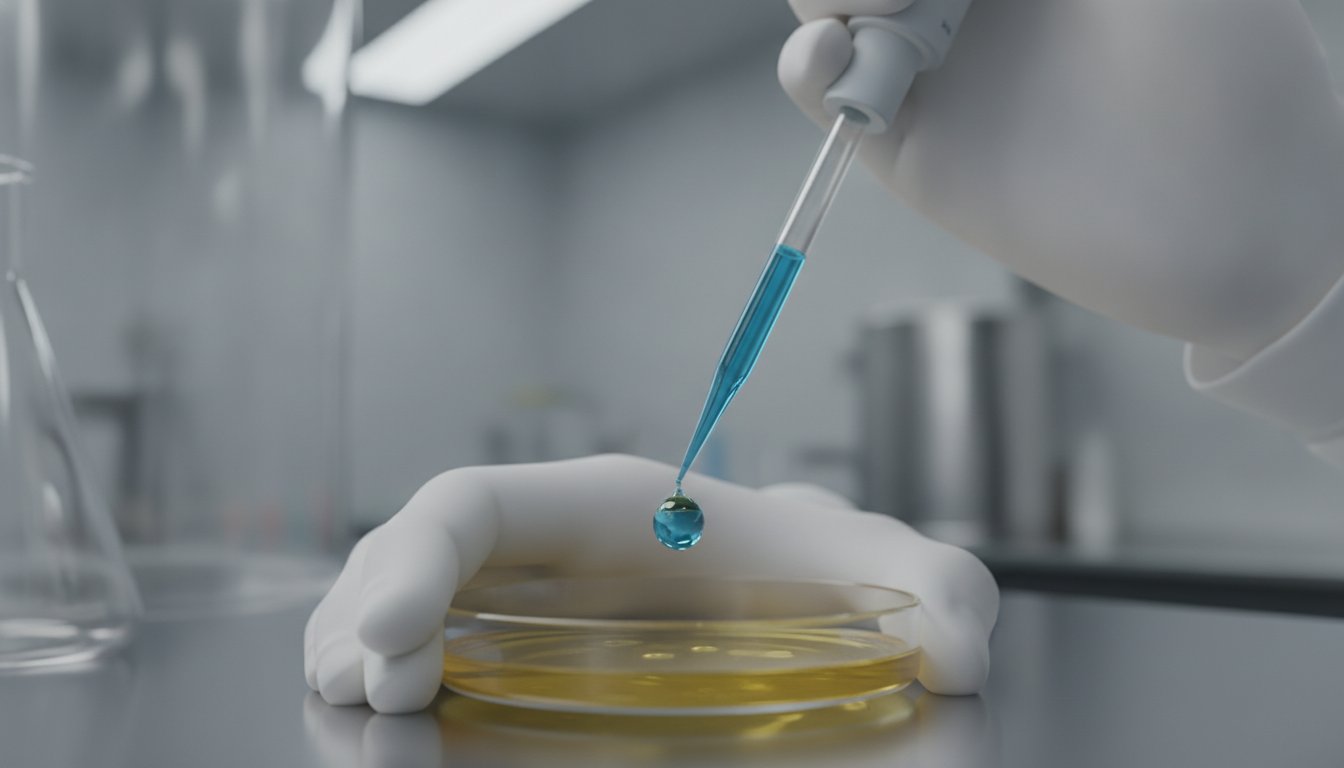
Did you know that GHK-Cu at nanomolar concentrations can modulate the expression of over 4,000 human genes? It's a staggering figure from the Broad Institute that explains why search interest in this tripeptide surged by over 1,000% in 2026. For scientists utilizing GHK-Cu 100mg research grade, the potential for breakthrough regenerative data is immense. However, you likely already know that the path from a lyophilized powder to a stable assay is often blocked by reconstitution variability and pH instability. These manual friction points don't just waste your time; they compromise the 99% purity required for publication-grade results.
We're here to bridge that gap. You'll learn how to master high-concentration protocol integration to eliminate contamination risks and drastically reduce preparation time in the lab. This guide provides the technical precision needed to achieve consistent experimental outcomes every time. We will examine how shifting toward modern, streamlined delivery systems allows you to focus on data execution rather than reagent troubleshooting. Expect a deep dive into maintaining chemical integrity for superior in-vitro results.
Key Takeaways
- Learn why high-concentration GHK-Cu is the preferred choice for longitudinal studies requiring consistent bio-availability.
- Explore the specific mechanisms of action behind extracellular matrix modulation and fibroblast proliferation in cellular research models.
- Identify the precision advantages of GHK-Cu 100mg research grade when delivered via pre-filled formats to eliminate concentration drift.
- Master technical protocols for calculating exact molarity and integrating precise aliquots into specialized cell culture media.
- Secure your data's credibility by prioritizing lot-by-lot transparency and rigorous third-party analytical verification for every experiment.
What is GHK-Cu 100mg Research Grade?
GHK-Cu isn't just another reagent. It's a high-affinity copper complex that serves as a vital modulator in cellular biology. Formally known as Glycyl-L-histidyl-L-lysine copper, Copper peptide GHK-Cu is a naturally occurring tripeptide that plays a critical role in signaling pathways related to tissue remodeling and inflammatory response. When selecting GHK-Cu 100mg research grade, the focus shifts from simple identification to analytical precision. This specific concentration is designed for high-throughput or longitudinal studies where consistent molarity is paramount. It allows researchers to prepare large batches of media without the drift associated with smaller, less stable quantities.
The distinction between cosmetic and research grade is stark. Cosmetic grade often contains stabilizers, preservatives, or lower purity levels that are acceptable for topical application but disastrous for in-vitro modeling. For publication-grade data, purity levels exceeding 99% are non-negotiable. Contaminants at even 1% can trigger off-target cellular responses. This effectively invalidates weeks of assay work by introducing variables that shouldn't exist in a controlled environment. High-purity standards ensure that the biological response you observe is actually caused by the peptide, not a synthesis byproduct.
The 100mg format is particularly significant for longitudinal research. Smaller quantities often lead to reconstitution errors when scaled across multiple plates. By utilizing a larger, more stable quantity, labs can ensure that the molar concentration remains uniform from the first day of the study to the last. This reduces the margin of error in high-throughput screening where even minor deviations in concentration can skew the final data set.
The Molecular Structure of Copper Tripeptide-1
GHK acts as a specific carrier for copper, transporting it to the cell surface and facilitating its entry. This interaction is highly dependent on the peptide's primary sequence. Any deviation in the Gly-His-Lys structure, or the presence of residual salts from synthesis, can inhibit this binding. High-purity GHK-Cu 100mg research grade material ensures that the tripeptide-copper complex behaves predictably in cellular signaling pathways. This is essential for studying fibroblast proliferation and collagen synthesis, as the tripeptide must remain stable within the extracellular matrix to activate remodeling genes effectively.
Research Grade Standards for 2026
The evolution of peptide synthesis has made analytical verification more critical than ever. HPLC (High-Performance Liquid Chromatography) provides a digital fingerprint of the peptide, identifying any secondary peaks that represent impurities. Mass Spectrometry then confirms the exact molecular weight to ensure the copper is correctly complexed. In 2026, these tests are the standard for confirming lot integrity. Relying on verified sources like GHK-Cu 100mg eliminates the guesswork. Independent verification ensures that your reagent meets the rigorous demands of modern science.
Mechanism of Action in Cellular Research Models
GHK-Cu acts as a master regulator of the extracellular matrix (ECM). It doesn't just stimulate production; it manages the entire remodeling cycle. This involves the precise regulation of matrix metalloproteinases (MMPs) and their inhibitors. By balancing these enzymes, GHK-Cu prevents excessive tissue breakdown while promoting organized repair. The potential of GHK as an anti-aging peptide lies in its ability to reset gene expression to a more youthful state. This is particularly evident in studies focusing on cellular senescence and DNA repair. It effectively acts as a biological signal that tells the cell to prioritize maintenance over degradation.
Stability is the silent killer of in-vitro accuracy. Many researchers overlook the necessity of pH-verified environments when working with copper complexes. If the pH drifts, the copper ion can dissociate from the tripeptide. This renders the GHK-Cu 100mg research grade solution biologically inert or, worse, cytotoxic due to free copper. Ensuring a stable, pH-balanced aqueous environment is the only way to replicate published data consistently. High-purity reagents are required to maintain this delicate equilibrium throughout the duration of an assay.
Fibroblast Proliferation and Collagen Assays
GHK-Cu significantly enhances the proliferation of fibroblasts, the primary cells responsible for ECM synthesis. In-vitro models show a marked increase in Type I collagen and glycosaminoglycan (GAG) production. When designing experiments to observe ECM remodeling, researchers must account for the molar concentration of the peptide. Utilizing high-purity research peptide formats ensures that the fibroblast response is directly attributable to the GHK-Cu complex rather than impurities. This clarity is essential for measuring the rate of synthesis in treated cultures compared to controls.
Modulation of Inflammatory Pathways
Beyond structural repair, GHK-Cu modulates the TGF-beta signaling superfamily. It downregulates pro-inflammatory cytokines like IL-6 and TNF-alpha. This makes it a primary candidate for wound healing and tissue engineering models. By suppressing the inflammatory "storm," GHK-Cu allows for a transition from the inflammatory phase to the proliferative phase of healing. This mechanism is critical for researchers studying chronic wound models or regenerative medicine. Using GHK-Cu 100mg research grade allows for the sustained concentrations needed to observe these long-term signaling shifts without frequent medium changes that can disrupt cellular attachment.
Pre-filled Pens vs. Vials: Analytical Precision and Efficiency
Traditional lyophilized vials are a legacy format. They introduce unnecessary friction into the laboratory workflow. Every time a researcher manually reconstitutes a powder, they risk concentration drift. A minor pipetting error of just 5% can invalidate an entire series of in-vitro assays. By contrast, using GHK-Cu 100mg research grade in a pre-filled format eliminates these human variables. These systems provide a consistent, pH-balanced aqueous environment from the start. This isn't just about convenience. It's about ensuring that GHK-Cu's Regenerative and Protective Actions are observed under standardized conditions without the interference of reconstitution artifacts.
The cost-benefit analysis for high-volume labs is clear. While individual reagent costs might seem higher, the total operational time saved is substantial. Removing the "lyophilized-to-liquid" step allows your team to focus on data execution rather than reagent preparation. You reduce the hours spent on manual mixing and the significant costs associated with discarded batches due to contamination. It's a strategic shift from reagent management to research acceleration. Labs that prioritize throughput find that GHK-Cu 100mg pre-filled pens provide the most reliable path to publication-grade data.
Eliminating Reconstitution Variables
Solvent choice significantly impacts peptide stability. Manual labs often use varying grades of bacteriostatic water or saline, which can introduce trace minerals that interfere with copper complexing. Pre-filled research pens use optimized, clinical-grade buffers that prevent peptide shearing. This is a common issue where aggressive manual mixing degrades delicate amino acid chains. Metered dose delivery ensures accuracy that manual pipetting simply can't match. You get the exact molarity required for your cell culture media every single time.
Maintaining Aqueous Stability and pH
GHK-Cu is notoriously sensitive to pH fluctuations. In a poorly buffered solution, the copper complex can destabilize and dissociate. This leads to inconsistent results and potential cytotoxicity from free copper ions. High-standard providers prioritize lot-specific pH testing to ensure research integrity. This level of transparency is the baseline for modern procurement. For a deeper look at these standards, see our guide on Peptide Pen Quality Control. Maintaining a stable environment is the only way to replicate complex signaling data across different experimental runs.

How to Integrate GHK-Cu 100mg into In-Vitro Protocols
Integrating high-concentration peptides requires a departure from standard lab guesswork. By utilizing GHK-Cu 100mg research grade in a metered pen format, you replace manual pipetting variability with mechanical accuracy. Extraction begins with aseptic preparation. Wipe the rubber septum with 70% isopropyl alcohol. Attach a sterile research needle. Dial the required dose. These steps ensure your stock remains uncontaminated throughout multi-day assays. Because GHK-Cu is highly concentrated in this format, precise molarity calculations are essential for your cell culture media. You must account for the total volume of the aqueous carrier to determine the exact micromolar concentration delivered per aliquot.
Monitoring for peptide degradation is a critical part of the protocol. GHK-Cu is known for its distinct blue hue, which serves as a visual indicator of its complexed state. Any shift toward a greenish tint or a loss of color intensity may suggest copper dissociation or peptide cleavage. To maintain the integrity of your results, perform a quick visual check before every media change. High-purity reagents stay stable longer, but environmental factors still play a role. Secure your laboratory’s supply of GHK-Cu 100mg to standardize your next assay series and eliminate the variables that plague traditional vial-based research.
Aliquotting and Dilution Strategies
Precision dosing depends on converting pen mechanical "clicks" to microliters. Most research-grade pens are calibrated so that each click represents a specific volume, typically 0.01ml or 0.02ml. When establishing dose-response curves, use serial dilution in a sterile 96-well plate. Start with a concentrated stock in your primary buffer, then dilute down to nanomolar ranges. This approach ensures that the GHK-Cu 100mg research grade solution is evenly distributed across all experimental replicates. Maintaining sterility during these multi-use steps is non-negotiable for preventing microbial growth in your cultures.
Storage and Handling Requirements
Maintaining the cold chain is the only way to preserve tripeptide integrity. Store your research pens at 2-8°C (36-46°F) immediately upon receipt. Avoid repeated freeze-thaw cycles, as these cause peptide shearing and destabilize the copper complex. If your lab bench is far from the cold storage unit, use a chilled benchtop cooler during protocol execution. Identifying signs of degradation early saves weeks of wasted research. Look for precipitates or significant changes in pH, as these indicate that the peptide is no longer suitable for high-precision in-vitro modeling.
Procuring Verified GHK-Cu 100mg for Scientific Study
Procurement is the foundation of experimental integrity. In an industry often clouded by opaque supply chains, ReadyPep operates with a commitment to radical transparency. Our partnership with Metatide Healthcare ensures that every batch of GHK-Cu 100mg research grade meets the highest manufacturing standards. This collaboration prioritizes clinical precision over mass-market speed. We understand that your data depends on the reagent's chemical stability. That’s why we utilize Janoshik Analytical for independent, lot-by-lot verification. This third-party validation provides the empirical proof required for high-stakes laboratory work. It removes the uncertainty that often accompanies research procurement.
Logistics are just as critical as synthesis. A high-purity peptide is useless if it degrades during transit. We manage a global cold-chain network to ensure your reagents arrive at the required 2-8°C (36-46°F). This temperature control preserves the delicate tripeptide-copper complex from the manufacturing floor to your lab bench. By integrating the GHK-Cu 100mg research pen into your advanced protocols, you're choosing a format designed for modern scientific efficiency. It's a professional solution for researchers who value accuracy and accountability above all else.
Interpreting the Certificate of Analysis (COA)
A COA is your primary tool for verifying lot integrity. When reviewing HPLC chromatograms for GHK-Cu, look for a single, sharp peak that indicates high purity. Secondary peaks often represent synthesis byproducts or degraded fragments that can skew your results. You must also verify the actual peptide content versus the total mass. A 100mg pen should contain the exact molar equivalent of the active tripeptide. For a comprehensive breakdown of what constitutes a valid report, consult our guide on Research Peptide Quality Standards. Transparency is the baseline for modern science.
Optimizing Your Research Workflow
Modern in-vitro studies often require multi-peptide signaling analysis. You can combine GHK-Cu 100mg research grade with other targeted reagents to observe synergistic effects. For instance, integrating the Repair Protocol allows for the simultaneous study of BPC-157 and TB-500 alongside copper peptides. If your research focuses on comprehensive regenerative signaling, the Glow Stack provides a pre-configured solution for multi-variable assays. We streamline this process with worldwide shipping from our UK hub. This ensures your lab stays stocked with verified, publication-grade materials without procurement delays.
Advancing Precision in Regenerative Research
Mastering the application of GHK-Cu 100mg research grade requires a shift from legacy workflows to modern efficiency. We've established that pre-filled pens eliminate the variables inherent in manual reconstitution. They provide a stable, pH-balanced environment that traditional vials simply can't match. This level of precision ensures your in-vitro assays remain consistent and your data stays publication-ready. It's time to move beyond reagent troubleshooting and focus on your actual discovery.
Every lot we offer undergoes independent Janoshik Analytical testing for total transparency. Our reagents are manufactured by Metatide Healthcare to meet clinical-grade standards. We also include global cold-chain shipping to preserve chemical integrity from our facility to your bench. Don't let reagent variability compromise your results. Secure High-Purity GHK-Cu 100mg for Your Laboratory Research and elevate your experimental standards today. Your next breakthrough deserves the highest level of analytical certainty.
Frequently Asked Questions
Is GHK-Cu 100mg stable in a pre-filled pen format?
Yes, GHK-Cu is highly stable when housed in a pre-filled research pen. These devices utilize clinical-grade aqueous buffers specifically formulated to prevent peptide shearing and copper dissociation. The sealed environment protects the tripeptide from oxygen exposure and UV degradation, ensuring that GHK-Cu 100mg research grade solutions maintain their chemical integrity for the duration of your study.
How do I calculate the concentration per click for a 100mg research pen?
You calculate the concentration by dividing the total mass by the total volume of the aqueous carrier. For a 100mg pen with a 2ml volume, the concentration is 50mg/ml. If the pen delivers 0.01ml per click, each click provides 0.5mg of the peptide. Always verify the specific volume of your device before establishing your in-vitro dosing protocols.
Can GHK-Cu be used in cell culture assays with other peptides?
Yes, researchers frequently combine GHK-Cu with other compounds to study synergistic signaling pathways. It's often paired with BPC-157 or TB-500 in extracellular matrix remodeling assays. Using high-purity reagents from a verified research peptide provider ensures that these combinations don't introduce confounding variables or unexpected cross-reactions in your media.
What is the recommended storage temperature for research-grade GHK-Cu?
The optimal storage temperature is between 2-8°C (36-46°F). Maintaining this refrigerated range is vital for preserving the delicate tripeptide-copper complex. You should avoid freezing the solution. Ice crystal formation during the freezing process can cause physical shearing of the peptide chains, which significantly reduces the biological activity of the reagent.
Does the 100mg concentration require specific pH buffers for dilution?
Yes, maintaining a stable pH between 6.0 and 7.4 is critical for preventing copper dissociation. Use a high-quality phosphate-buffered saline (PBS) or a similar clinical-grade buffer during your dilution steps. If the pH drifts too far into the acidic or alkaline range, the copper ion may separate from the tripeptide, rendering your GHK-Cu 100mg research grade stock biologically inert.
How does Janoshik Analytical verify the purity of GHK-Cu pens?
Janoshik Analytical utilizes High-Performance Liquid Chromatography (HPLC) and Mass Spectrometry to confirm lot integrity. HPLC provides a digital fingerprint that identifies any secondary peaks representing impurities. Mass Spectrometry then verifies the exact molecular weight of the complex. This two-step process ensures the copper is correctly bound to the Gly-His-Lys sequence at the required purity levels.
What are the consequences of using GHK-Cu with less than 99% purity in experiments?
Using low-purity reagents often leads to off-target cellular responses and inconsistent data. Even a 1% impurity level can introduce contaminants that trigger inflammatory markers or cause unexpected cytotoxicity in sensitive cell lines. This effectively invalidates your assay results. High-purity standards are the only way to ensure your findings are suitable for submission to peer-reviewed journals.
Can I use GHK-Cu for in-vivo animal testing?
No, this product is strictly for in-vitro laboratory research and biochemical assays. It is not intended for human or veterinary use. All experimental protocols should be limited to cell culture models or non-animal structural studies. Adhering to these "research use only" guidelines is essential for maintaining laboratory compliance and ethical research standards.
Disclaimer
Educational content only. Not medical advice.


